 AI-powered, Human-reviewed.



What Is the Subscription Economy?
The subscription economy refers to the broad shift in how businesses sell and how consumers buy: instead of one-time transactions, customers pay a recurring fee (weekly, monthly, or annually) to access products or services on an ongoing basis.
It spans every industry, from streaming and SaaS to physical goods like coffee, skincare, pet food, and meal kits. The core idea is simple: predictable, recurring revenue for the business, and convenience or savings for the customer.
For Shopify merchants, it means turning one-time buyers into long-term subscribers.
Why It Matters for Your Business
The subscription economy isn’t a niche trend. It’s a fundamental restructuring of how commerce works.
For businesses, subscriptions create predictable monthly recurring revenue (MRR), reduce dependence on constant new customer acquisition, and dramatically improve customer retention. Subscription businesses also tend to have significantly higher customer lifetime value (CLV) than transactional models.
For DTC brands specifically, subscriptions solve one of the biggest problems in ecommerce: customers who buy once and never return. Traditional ecommerce sees annual churn rates of 60-80%. Subscription businesses see 3-5% monthly. The difference is structural.
For Shopify merchants, the infrastructure to launch subscriptions has never been more accessible. The question is no longer “can we do this?” but “how fast can we start?”
Market Size and Growth Trends
The numbers are hard to ignore.
The global subscription economy reached $492 billion in 2024 and is projected to grow to $1.5 trillion by 2033, at a CAGR of 13.3%. The subscription ecommerce segment specifically is expected to expand at a 9.36% CAGR through 2034.
Here are the key trends currently shaping the subscription market:
- 78% of adults globally now pay for at least one subscription service
- Consumers maintain an average of 5.6 active subscriptions across different categories
- Over the past decade, subscription businesses have grown five times faster than S&P 500 companies
- In 2024, 69% of subscription businesses reported revenue growth
- Subscription businesses generate 70% of their revenue from existing subscribers, not new acquisition
- 62% of companies plan to convert at least one product into a subscription by 2026
The subscription ecommerce segment is forecast to grow 67% between 2025 and 2030. That’s not gradual adoption. That’s a market in acceleration.
Real-World Example
Athletic Greens (AG1) is one of the clearest examples of the subscription economy at work in DTC. The brand shifted from selling individual tubs to a subscription-first model, with the majority of revenue now coming from recurring orders.
The result: predictable cash flow, higher LTV per customer, and a business that doesn’t have to re-acquire the same customer every month.
On Shopify, brands like this use a subscription business model built around “subscribe and save” offers, replenishment cycles, and loyalty perks that make cancelling feel like a loss, not a neutral decision.
The same model works for coffee, skincare, supplements, pet food, and any product with a natural replenishment cycle.
Why DTC Brands Are Shifting to Subscriptions
The shift isn’t just about revenue. It’s about survival.
Rising acquisition costs mean DTC brands can’t afford to keep buying one-time customers. The economics only work when customers buy repeatedly. Subscriptions lock in that repeat purchase automatically.
Predictable revenue makes everything easier: inventory planning, hiring, marketing spend, and investor conversations. A business with $50,000 in MRR knows what next month looks like. A business relying on one-time sales doesn’t.
Deeper customer relationships come naturally with subscriptions. Regular touchpoints (deliveries, emails, customer portals) create more opportunities to build customer loyalty and increase average order value (AOV) through upsells and add-ons.
Competitive differentiation is real. Brands that offer subscriptions capture a segment of buyers who prefer the convenience of auto-delivery. Brands that don’t offer it lose those buyers to competitors who do.
Opportunities for Shopify Merchants
The subscription economy creates specific, actionable opportunities for Shopify store owners:
Replenishment Subscriptions
The most common and highest-retention model. Consumable products (supplements, coffee, pet food, cleaning supplies) are natural fits. Customers subscribe to never run out. Churn is low because the need is ongoing.
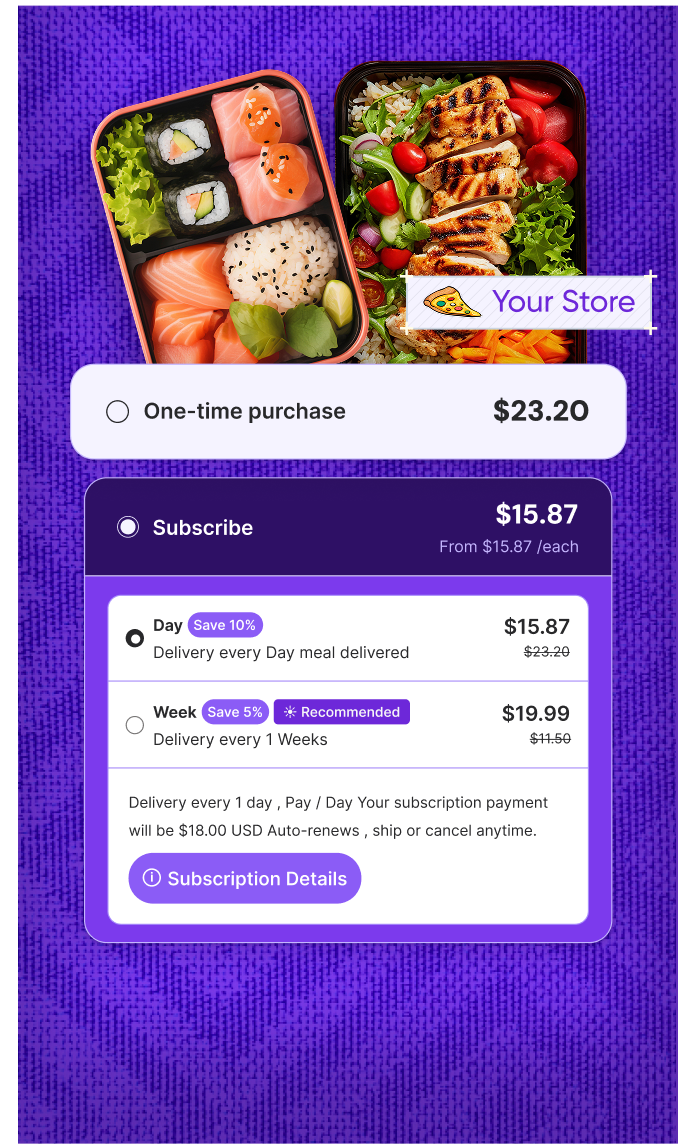
Subscribe and Save
Offer a discount (typically 10-15%) in exchange for a recurring commitment. It reduces friction to subscribe and increases the perceived value of staying subscribed. This directly helps increase customer retention and lifetime value (CLV).
Subscription Boxes
Curated monthly boxes create excitement and discovery. Higher churn than replenishment models, but strong community and brand-building potential. Works well for beauty, food, lifestyle, and hobby niches.
Membership Models
Access-based subscriptions (exclusive discounts, early access, free shipping) that sit alongside a standard store. Amazon Prime is one of the most well-known examples of this model. On Shopify, this model works well for brands with loyal repeat buyers.
Hybrid Models
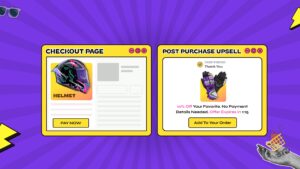
Combining one-time purchases with subscription options. A customer buys once, then is offered a subscription at checkout or post-purchase. This is one of the fastest ways to convert existing buyers into subscribers.
How to Enter the Subscription Economy on Shopify
1. Start with Your Best-Selling Consumable
Don’t try to subscriptionize everything at once. Pick your highest-reorder product and launch a subscribe-and-save option first. Prove the model, then expand.
2. Price the Subscription to Win
The discount needs to feel meaningful (10-15% is a common sweet spot) without destroying your margins. Test different discount levels and monitor conversion rates.
3. Build a Proper Customer Portal
Subscribers need to be able to manage their own orders: skip, pause, swap products, update payment info. A self-service customer portal reduces support tickets and reduces churn caused by friction.
4. Set Up Dunning from Day One
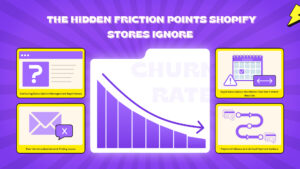
Failed payments are one of the biggest sources of involuntary churn. Automated dunning sequences (payment retry logic, email reminders, card update prompts) recover a significant share of revenue that would otherwise be lost silently.
5. Communicate Your Value Proposition Clearly
Subscribers need to understand what they’re getting and why it’s worth staying. A clear value proposition on your subscription landing page, in onboarding emails, and in your customer portal reduces early cancellations.
6. Track the Right Metrics
MRR, subscriber churn rate, CLV, and AOV per subscriber are your core subscription health metrics. Review them monthly and set targets for each.
Common Mistakes
- Launching subscriptions without a retention strategy. Getting subscribers is only half the job. If you don’t have a plan to keep them, churn will eat your growth.
- Ignoring the cancellation experience. Most stores send subscribers straight to a cancel button. A proper cancellation flow with pause, swap, or discount options can save 20-30% of would-be cancellations.
- Setting and forgetting. The subscription economy rewards brands that iterate. Test pricing, cadence, product mix, and offers regularly.
- Underestimating involuntary churn. Failed payments are a silent revenue leak. Without automated dunning, you’re losing subscribers who never actually wanted to leave.
- Not offering flexibility. Consumers cite flexibility (pause, skip, cancel anytime) as the number one reason they subscribe. Locking subscribers in with no options drives cancellations.
Pro Tips
- Annual plans dramatically reduce churn. Annual subscribers churn at roughly half the rate of monthly subscribers. Offer a meaningful discount to encourage the switch.
- Subscription fatigue is real but manageable. 41% of consumers report subscription fatigue. The brands that win are those that consistently demonstrate value, not just charge a recurring fee.
- Re-acquisition is a growth lever. Around 1 in 5 new subscriber sign-ups are former subscribers returning. A win-back sequence targeting churned subscribers often has a higher ROI than cold acquisition.
- Subscriptions improve your AOV. Subscribers are more likely to add products, accept upsells, and engage with loyalty programs than one-time buyers.
- The first 60 days are critical. Most churn happens early. Invest in onboarding to build the habit before it can break.
Start Your Subscription Program on Shopify
Easy Subscriptions is built for Shopify merchants who want to launch and grow a subscription program without the technical complexity. From subscribe-and-save to subscription boxes, it handles recurring billing, customer portals, dunning, and analytics, so you can focus on building a product subscribers want to keep.