 AI-powered, Human-reviewed.



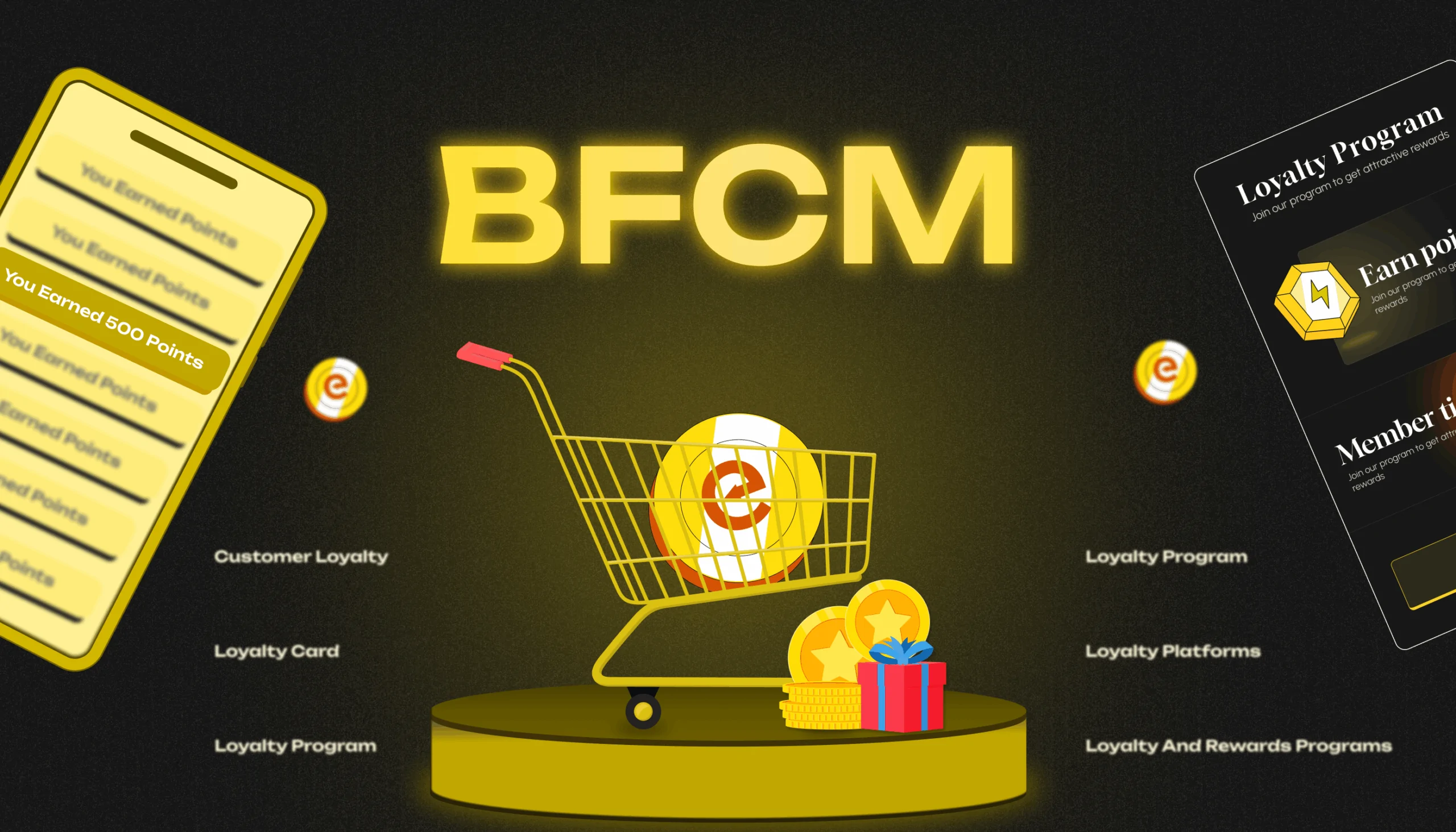


BFCM 2026: Black Friday is November 27; Cyber Monday is November 30. BFCM isn’t just about driving record-breaking sales, it’s also the best opportunity of the year to turn one-time shoppers into long-term customers. With shoppers actively hunting for deals and trying new brands, Shopify merchants get a rare window to stand out from every other store running the same 30%-off banner.
But deep discounts alone won’t keep those customers coming back. What will is a well-designed Shopify loyalty program that rewards customers beyond a single transaction. This is where Easy Loyalty & Rewards comes in. Here’s how to build loyalty into this year’s BFCM and set your store up for repeat purchases well after the sale ends.
What a Loyalty and Rewards Program Is
A loyalty and rewards program is a structured way to incentivize repeat purchases. Customers earn points, perks, or exclusive benefits for engaging with your store, not just for buying once. On Shopify, loyalty programs integrate directly with checkout and account flows using apps like Easy Loyalty & Rewards, making it straightforward to reward shoppers across multiple touchpoints rather than building the mechanics from scratch.
Typical features include:
- Points for purchases, sign-ups, or referrals
- Tier-based rewards (Silver, Gold, Platinum, or similar structures)
- Exclusive discounts or early access to new drops
- Birthday or anniversary rewards
Why Loyalty Matters More During BFCM
BFCM brings a surge of traffic, but most brands struggle with retention once the sale ends. The customers who arrived for a discount have no particular reason to stay once that discount disappears. Loyalty mechanics give them one. Consumer research generally shows that loyalty tends to build cumulatively with repeat purchases rather than forming instantly which is the underlying case for enrolling BFCM shoppers into a loyalty program at the moment of first purchase, rather than waiting to see if they come back on their own first.
That timing matters specifically because BFCM compresses a huge number of first purchases into one week. Every one of those first-time buyers is a candidate for the loyalty relationship that would otherwise take months to build organically; the sale doesn’t just drive volume, it drives volume at exactly the moment where loyalty enrollment has the most leverage.
There’s also a practical reason this window matters more than any other point in the year: BFCM shoppers are, by definition, comparison shopping. They’ve likely just evaluated several competing stores before landing on yours, which means the loyalty signal you send in that first interaction is competing directly against what they saw elsewhere. A generic “thanks for your order” email does nothing to differentiate you from the next store they’ll compare on Cyber Monday; a visible, well-structured loyalty enrollment does.
Four Loyalty Elements That Elevate BFCM
1. Early access and perks for loyalty members. Show loyalty members your BFCM deals 24 hours before your public launch being first in line signals their status matters beyond just discount access. Double or triple points during BFCM tells your best customers their purchase carries extra weight this week specifically. Member-only discounts or gift-with-purchase offers reinforce that feeling of being treated differently, not just given a bigger discount.
2. Referral magic via loyalty. Reward both sides of a BFCM referral: the referring customer earns points, and the referred friend gets a discount, so neither party feels like they’re doing the brand a favor for nothing. Inviting loyalty members to start referring before BFCM begins, rather than only during the sale, lets you capture the rush of holiday gift-shopping conversations that happen in the weeks leading up to it, not just the day of.
3. Personalized BFCM messaging. Segment messages by actual behavior top buyers, return shoppers, and specific product preferences each warrant a different message, not one blast to the full list. Brands like Glossier (free shipping plus storewide discounts), Gymshark (wishlist-based guides), and 22 Days Nutrition (surprise-tier discounts) show that simple, well-targeted personalization consistently outperforms a single generic promo.
4. Post-BFCM relationship building. Send a “you’ve earned points” reminder right after BFCM to encourage quick redemption before it fades from memory. Follow up with an exclusive discount or bonus points for a purchase within two weeks some merchants report a meaningful retention lift from this kind of nudge, though the exact figure varies enough by brand and category that it’s worth treating as directional rather than a guaranteed number until you’ve measured it against your own base. Keep consistent, personalized touchpoints going afterward birthday discounts, collection previews, segmented updates so the relationship doesn’t go quiet again until next November.
BFCM Loyalty Campaign Ideas
| Campaign | Mechanic |
| Double Points Weekend | Shoppers earn 2x points on BFCM purchases |
| Early Access for Members | Loyalty members shop BFCM deals 24 hours before the public launch |
| Surprise Tier Upgrade | Top spenders move into a higher tier automatically, no action required |
| Refer-a-Friend Bonus | Double referral points during the BFCM window specifically |
These strategies do double duty: they drive incremental sales during the sale itself, and they build the sense of exclusivity and belonging that’s what actually keeps a customer subscribed to the relationship after the discount is gone.
Why Loyalty Programs Fail (and How to Avoid It)
Common mistakes seen across Shopify loyalty programs generally:
- Rewards that feel generic or too small to meaningfully change behavior
- Programs hidden in the footer with zero active promotion at the moments that matter, like checkout or BFCM landing pages
- Complicated redemption processes that make earning points feel more like a hassle than a perk
A loyalty app built for this with a user-friendly dashboard, custom branding, and native Shopify integration avoids these pitfalls by design rather than requiring you to build the guardrails yourself.
Launching on Shopify
Easy Loyalty & Rewards is built for merchants who want a quick setup with no code and real impact in time for BFCM. Core features:
- Plug-and-play setup launch in minutes, not weeks, which matters when BFCM prep is already compressed
- Fully branded experience customize colors, rewards, and tier names to match your store
- Multi-channel rewards reward across web, email, and referrals from one system
- Data and analytics insights to refine your loyalty strategy after BFCM, not just during it
Metrics to Track
| Metric | What it tells you |
| Loyalty enrollment rate during BFCM | Whether the sign-up moment is actually capturing first-time BFCM buyers |
| Points redemption rate post-BFCM | Whether the follow-up nudge is working, or points are going unused |
| Referral-driven signups during the BFCM window | Whether the referral mechanic is functioning as a real acquisition channel |
| Repeat purchase rate within 2 weeks post-BFCM | The core measure of whether loyalty converted a discount-shopper into a returning one |
| Tier distribution after BFCM | Whether surprise upgrades and points earned during the sale are meaningfully shifting your customer base into higher tiers |
BFCM Loyalty Checklist
- Loyalty program launched before BFCM, not during it, so members can anticipate the perks
- Early-access window configured (24 hours before public launch is a reasonable default)
- Double or triple points active for the BFCM window
- Referral bonus doubled and promoted before the sale begins
- Post-BFCM points reminder and follow-up offer scheduled for the two weeks after
- Loyalty program prominently placed at checkout and on BFCM landing pages, not buried in the footer
BFCM is a high-stakes week for Shopify merchants, but it’s also the single best opportunity of the year to build loyalty relationships you’d otherwise spend months earning gradually. Launch the program before the sale, give members something the general public doesn’t get, and put as much thought into the two weeks after BFCM as you do into the sale itself; that’s where the relationship actually gets decided.