


What Is a Shopify Subscription?
A subscription is a recurring purchase agreement between a merchant and a customer. Instead of buying once, the customer agrees to be charged automatically at a set frequency, and receives a product or service in return each cycle.
On Shopify subscriptions are powered by dedicated apps that handle recurring billing, customer management, and the checkout experience. The store owner sets the pricing, frequency, and discount, and the app takes care of the rest.
Why It Matters for Your Business
Subscriptions are one of the highest-leverage moves you can make as a Shopify merchant. Here’s why:
Predictable revenue. A subscriber base gives you a reliable monthly income you can forecast and plan around – unlike one-time sales that fluctuate.
Lower acquisition costs. You convert a customer once and collect revenue automatically each billing cycle, instead of spending to re-acquire them every time.
Higher customer lifetime value. Subscribers stay longer, buy more, and cost less to retain – directly boosting your Customer Lifetime Value (CLV).
Better retention metrics. Subscriptions create a habit loop. Customers who subscribe are far less likely to switch to a competitor, which reduces churn and improves overall customer retention.
The 3 Main Types of Shopify Subscriptions
1. Replenishment (Subscribe & Save)
Customers automate the purchase of a product they use regularly – supplements, coffee, skincare, pet food – and receive a discount (typically 10-15%) in exchange for commitment.
Best for: consumables, CPG brands, health and wellness products.
This is the easiest model to launch and has the highest long-term retention rates.
2. Curated Box
You select a new assortment of products each cycle. Customers subscribe for the discovery experience – they don’t know exactly what they’ll receive.
Best for: beauty, food, hobby, apparel, and gift-style products.
Curated boxes drive strong brand engagement and word of mouth, but require more operational planning (sourcing, curation, packaging).
3. Access / Membership
Customers pay a recurring fee for ongoing benefits: exclusive pricing, early product drops, free shipping, or members-only content. The subscription is to a bundle of perks, not a specific product.
Best for: brands with a strong community or loyalty angle – wine clubs, sneaker brands, artisan food collectives.
This model pairs naturally with a customer loyalty strategy and works across virtually any product category.
Real-World Example
Dollar Shave Club built its entire business on the replenishment model, automating razor blade refills at a discount. Customers set their cadence once and never think about it again.
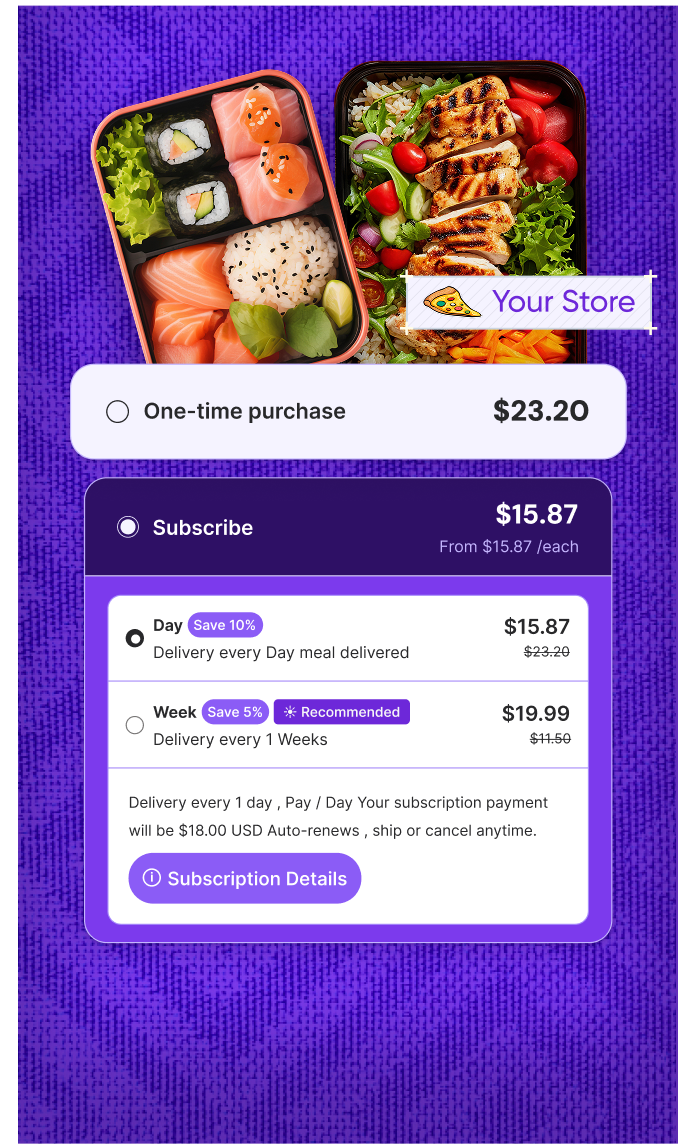
On Shopify, a coffee brand might offer a “Subscribe & Save 15%” option on their best-selling blend, with customers choosing between a 2-week, 4-week, or 6-week delivery frequency. The result: predictable monthly revenue, lower support overhead, and a customer base that rarely churns.
Key Subscription Metrics to Track
| Metric | What It Measures |
| MRR (Monthly Recurring Revenue) | Total subscription revenue per month |
| Churn Rate | % of subscribers who cancel each period |
| CLV / LTV | Total revenue expected from one subscriber |
| ARPU | Average revenue per subscriber |
| First-Renewal Rate | % of subscribers who renew after the first cycle |
A healthy replenishment subscription should aim for a first-renewal rate above 65%.
How to Launch a Subscription on Shopify
- Choose the right model first. Look at your Shopify analytics – which products have the highest repeat purchase rate? Those are your best subscription candidates. Products consumed on a predictable schedule (every 30-60 days) are ideal.
- Pick a subscription app. Shopify’s native checkout does not handle recurring billing without a third-party app. Install a dedicated subscription app to add subscribe-and-save options to your product pages and manage recurring billing automatically.
- Offer meaningful flexibility. Let customers choose their delivery frequency (30, 45, or 60 days). Flexibility reduces cancellations and increases perceived value – without requiring a bigger discount.
- Set a competitive discount. A 10-15% subscribe-and-save discount is the standard for replenishment models. For access/membership models, the value should come from perks, not just price.
- Make the customer portal easy to use. Subscribers need to be able to pause, skip, swap, or cancel on their own. A frictionless customer portal is essential – if managing a subscription is hard, customers cancel instead.
- Promote subscriptions at checkout and on product pages. Don’t hide the subscribe option. Show the savings clearly and explain the benefits upfront. Transparency at signup builds trust and reduces cancellations later.
Common Mistakes
- Launching with no flexibility. If customers can only subscribe or cancel, many will cancel when life gets in the way. Pause and skip options are non-negotiable.
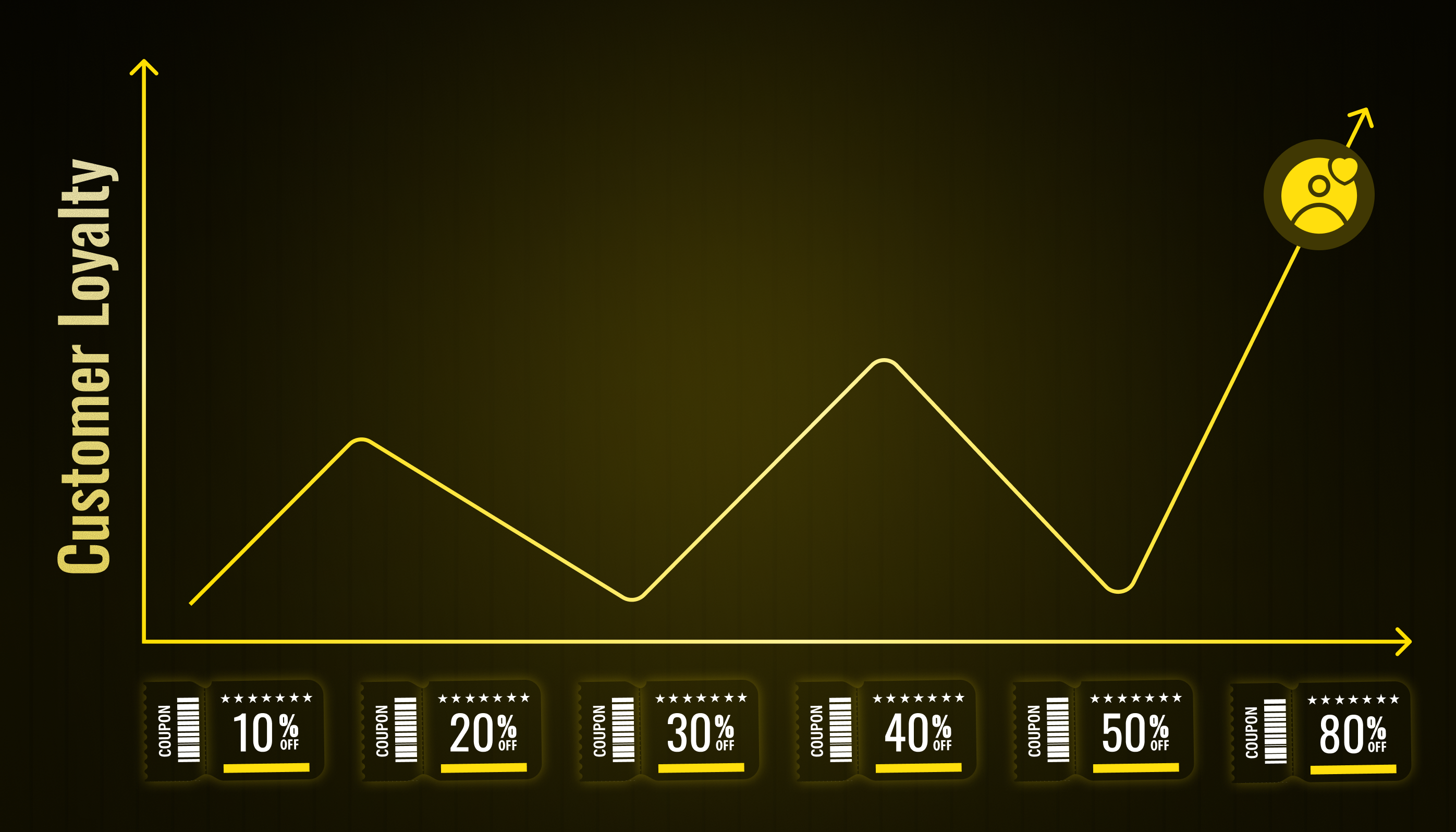
- Offering too steep a discount. Discounting 20-30% to acquire subscribers can destroy margins. Calculate your orders-to-payback before setting your discount.
- Ignoring dunning. Failed payments are a silent churn driver. Without a proper dunning process (automated payment retries and email reminders), you lose subscribers who never intended to cancel.
- Choosing the wrong product. Not every product works as a subscription. If there’s no natural replenishment cycle or discovery appeal, subscribers will accumulate products and cancel.
- Hiding the cancel option. Making it hard to cancel frustrates customers and generates chargebacks. Easy cancellation builds trust – and customers who leave on good terms often come back.
Pro Tips
- Combine models. Many successful Shopify stores run a Subscribe & Save option on core products alongside a premium membership tier for their most loyal customers.
- Track your edit-over-cancel ratio. Aim for at least 2 edits (skip, swap, frequency change) for every 1 cancellation. This signals healthy subscriber engagement.
- Use subscriptions to increase Average Order Value. Offer one-time add-ons at the subscriber checkout to grow Average Order Value (AOV) without disrupting the recurring billing cycle.
- Plan your subscription model before installing any app. The model determines the app requirements – not the other way around.
- Subscription revenue is valued at 3-5x the multiple of transactional revenue when it comes to business valuation. Building a subscriber base is also building long-term business equity.
Getting Started with Easy Subscriptions
If you’re setting up subscriptions on Shopify for the first time, Easy Subscriptions makes it straightforward – from adding subscribe-and-save options to your product pages to giving customers a clean portal to manage their orders. It’s built specifically for Shopify merchants who want a simple, reliable setup without unnecessary complexity.
Useful Sources
Shopify Enterprise: Ecommerce Subscriptions Guide











 Subscription Audit