 AI-powered, Human-reviewed.



What Is an Ecommerce Merchant?
An ecommerce merchant is a business or individual that sells goods or services through an online store. They handle everything from product listings and pricing to checkout, fulfillment, and customer support.
On Shopify, merchants range from solo DTC founders to large retail brands. What they all share: they own the full customer experience, from the first click to the delivered package, and every renewal in between.
Why It Matters for Subscription Businesses
Running a subscription business is fundamentally different from selling one-time products. The stakes are higher, and so are the rewards.
Predictable revenue is the biggest win. Instead of chasing new customers every month, subscription merchants build a recurring revenue base that compounds over time. This directly improves Customer Lifetime Value (CLV) and makes growth more sustainable.
But with that upside comes added complexity:
- You must manage recurring billing cycles reliably
- Failed payments require a solid dunning strategy to recover lost revenue
- Customers expect flexibility: pause, skip, cancel, and update payment methods on demand
- Compliance requirements (FTC, ROSCA, state-level auto-renewal laws) apply directly to how you sell and cancel subscriptions
Subscription models drive predictable revenue, faster growth, and stronger customer retention than traditional one-time purchase ecommerce.
Subscription Merchant vs. One-Time Seller: Key Differences
| Responsibility | One-Time Seller | Subscription Merchant |
| Revenue model | Per-transaction | Recurring / monthly |
| Payment processing | Single charge | Repeated charges, tokenized |
| Customer relationship | Post-purchase | Ongoing, lifecycle-based |
| Churn risk | Low | High – requires active management |
| Compliance | Standard | Auto-renewal laws, FTC rules |
| Fulfillment | One delivery | Scheduled, recurring |
Real-World Example
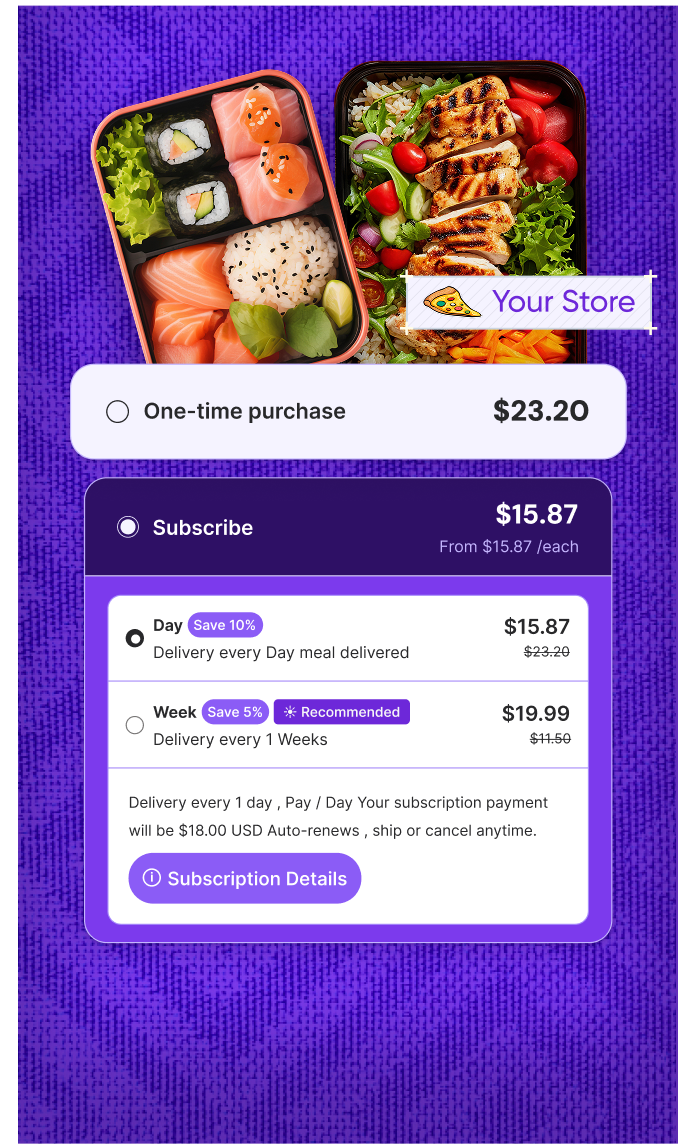
A Shopify coffee brand sells bags of beans as both one-time purchases and monthly subscriptions.
As a one-time seller, they process a payment, ship the order, and the transaction is done.
As a subscription merchant, they:
- Vault the customer’s payment method at checkout
- Automatically charge and fulfill every 30 days
- Handle failed payments with retry logic (dunning)
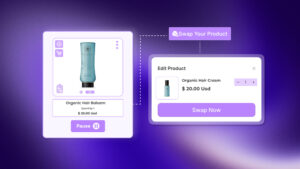
- Offer a self-service customer portal to skip, pause, or swap products
- Monitor churn rates and act on cancellation signals early
The subscription model turns a one-time buyer into a long-term relationship, but only if the merchant manages it well.
Core Responsibilities of a Subscription Merchant on Shopify
Payment Processing
Recurring charges are automatic payments collected from a customer after they place an initial subscription order. Once the first checkout is completed, future charges run on a fixed schedule using the payment method the customer approved, without asking them again.
This requires a compatible payment gateway and a subscription app that handles billing attempts via the API.
Fulfillment
Merchants define which products are available for subscription and set delivery frequency, pricing models, and discounts. Every billing cycle must trigger a corresponding fulfillment action, whether that’s physical shipping or digital delivery.
Compliance
The FTC’s Negative Option Rule mandated clear pre-billing disclosures, express informed consent, and a simple cancellation method that was at least as easy as signing up. Even with recent legal changes, the FTC is still suing companies using other laws like ROSCA and the FTC Act, and states are also getting stricter.
Customer Retention
As the merchant, you are responsible for handling and responding to all purchases, deliveries, customer service questions, refunds, returns, complaints, problems, and disputes. For subscription merchants, this also means proactively managing retention to reduce voluntary churn.
How to Improve as a Subscription Merchant
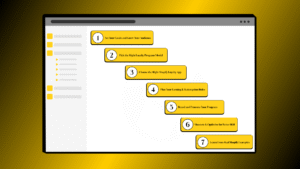
1. Use a subscription-native checkout Make sure your subscription app integrates directly with Shopify Checkout. Merchants no longer have to choose between selling subscription products and using Shopify’s checkout, so buyers can enjoy the same friction-free checkout experience regardless of whether they’re purchasing a one-time or recurring product.
2. Set up dunning automation Don’t let failed payments silently kill your revenue. Automate retry logic and email sequences to recover declined charges before they become cancellations. See our guide on dunning.
3. Offer a self-service customer portalCustomers should be able to manage their subscriptions, including updating shipping info, skipping deliveries, or canceling, via a customer portal. Friction here drives churn.
4. Monitor your churn rate monthly Track both voluntary churn (customers canceling) and involuntary churn (failed payments). The silent killer is involuntary churn, when a customer wants to stay but their payment fails. With fraud-related declines up 29%, a weak payment stack is a hole in your bucket.
5. Stay compliant with cancellation rules. Make cancellation easy. Regulators and customers both expect it. A confusing cancellation flow creates chargebacks and reputational damage.
6. Track CLV, not just revenue Subscription merchants should measure Customer Lifetime Value (CLV) as their north star metric, not just monthly revenue. CLV tells you whether your acquisition costs are actually sustainable.
Common Mistakes Subscription Merchants Make
- Ignoring involuntary churn: Not having a dunning process means losing customers who actually want to stay
- Using an incompatible payment gateway: Not all gateways support recurring billing. Without the right payment gateway in place, merchants may not be able to offer subscriptions with auto-charging functionality, which could lead to a decrease in customer satisfaction and retention.
- Hiding cancellation options: This triggers chargebacks and regulatory risk, not loyalty
- Treating subscribers like one-time buyers: Subscribers need lifecycle communication, not just order confirmations
- Skipping compliance checks: Auto-renewal laws vary by state and country. Ignoring them is costly
Pro Tips
- Offer a “pause” option before cancellation: Many customers who cancel just need a break. A pause flow can recover 15-30% of would-be cancellations.
- Segment subscribers by lifecycle stage: New, active, at-risk, and lapsed subscribers need different messaging.
- Use webhook events for real-time reactions: Shopify Subscriptions API supports webhook events to automate actions like sending renewal reminders, processing failed payments, or updating inventory.
- Test your failed payment flow regularly: Most merchants only discover broken dunning when churn spikes.
- Offer multiple billing frequencies: Merchants can offer a variety of billing cycles such as weekly, monthly, or bi-monthly and customize delivery frequencies to meet customer needs.
Getting Started with Easy Subscriptions
If you’re setting up or scaling a subscription program on Shopify, Easy Subscriptions handles the recurring billing, customer portal, and dunning logic so you can focus on your product and customers. It’s built natively for Shopify merchants who want a clean, compliant subscription experience without the technical overhead.