 AI-powered, Human-reviewed.



What Is Ecommerce Personalization?
Ecommerce personalization is the practice of using customer data to deliver individualized experiences across your store, emails, and subscription flows.
For subscription businesses, this goes beyond showing “you might also like” widgets. It means recommending the right products, adjusting delivery frequency to match usage patterns, sending emails that reflect each subscriber’s actual behavior, and making every touchpoint feel like it was built for that specific person.
The goal is simple: make subscribers feel understood, so they have no reason to leave.
Why It Matters for Your Subscription Business
Personalization is one of the highest-leverage tools available to subscription merchants. It works across every stage of the subscriber lifecycle, from acquisition to retention.
64% of subscribers stay subscribed because the products feel personalized. That one stat alone makes the case. If your experience feels generic, you are giving subscribers a reason to cancel.
On the revenue side, the numbers are just as compelling. Even conservative personalization implementations, like simple “frequently bought together” modules, deliver 15 to 22% AOV increases on average. More relevant recommendations mean larger orders, which directly lifts your Monthly Recurring Revenue.
Personalization also acts as a churn prevention tool. Behavior-based messaging reduces churn by 17%. When subscribers receive communications that reflect their actual activity, they feel valued, not marketed to.
Combined with strong customer retention practices and a compelling loyalty program, personalization significantly increases Customer Lifetime Value (CLV).
Real-World Example
A self-care and beauty brand decreased churn from 12.5% to less than 9% by offering improved personalization and upgrade offers at the annual renewal moment, reducing cancellations through proactive churn deflection and support gestures.
On the product side, a Shopify supplement brand uses purchase history to recommend complementary products at checkout. Subscribers who engage with those recommendations spend 20% more per order, lifting AOV without any discount needed.
Formula: Personalization Impact on AOV
Personalization AOV Lift = (AOV with Personalization – Baseline AOV) / Baseline AOV x 100
Example: Baseline AOV of $45, personalized AOV of $54 = 20% lift
Also worth tracking:
Churn Reduction from Personalization = (Churn Rate Before – Churn Rate After) / Churn Rate Before x 100
These two metrics together show the full revenue impact of your personalization efforts.
How to Improve Ecommerce Personalization for Subscriptions
1. Recommend products based on previous customer purchases
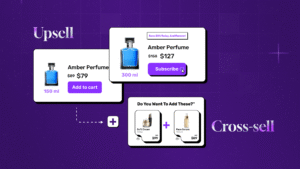
Surface complementary products based on what each subscriber already buys. Show these recommendations in post-purchase emails, the customer portal, and at checkout. Product recommendations have an outsized impact on increasing AOV, with sessions where shoppers engage with AI-powered recommendations showing a 369% higher AOV compared to sessions without recommendation interaction.
2. Let subscribers customize their delivery frequency
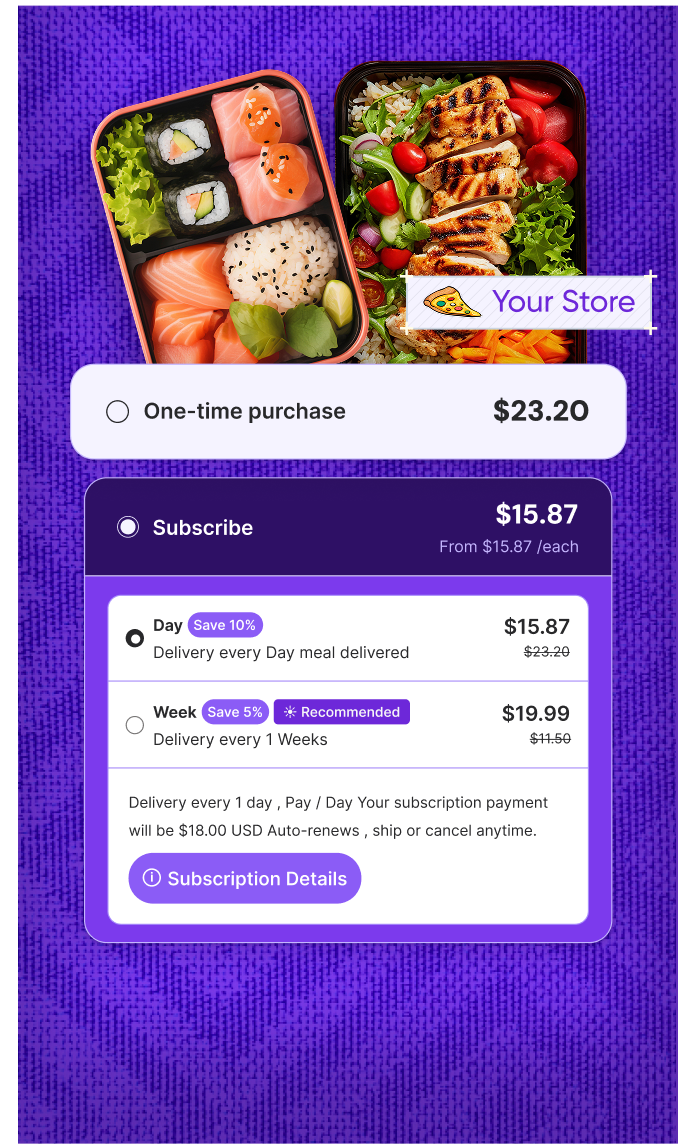
Give subscribers control over how often they receive their products. A subscriber who can adjust their cadence to match their actual usage is far less likely to cancel because they feel overwhelmed by too much product or frustrated by running out.
3. Personalize your email flows by behavior
Segment your email sequences based on subscriber actions: first order, skip, pause, at-risk of churning, high-value. Personalized retention emails reduce cancellations by 12%. Generic broadcast emails leave that improvement on the table.
4. Trigger win-back campaigns based on behavioral signals
Identify at-risk customers through behavioral signals like decreased email engagement or longer purchase intervals, and trigger targeted win-back campaigns before they lapse. Acting early is far more effective than reacting after a cancellation.
5. Personalize the cancellation flow
When a subscriber clicks cancel, show them an offer that is relevant to their specific situation. A subscriber who skipped twice in a row needs a pause option, not a discount. One who complained about product fit needs a swap offer. Matching the retention offer to the subscriber’s behavior dramatically improves save rates.
6. Collect zero-party data at signup
Ask subscribers directly about their preferences, goals, and usage habits during onboarding. This data powers accurate personalization from day one, without waiting months for behavioral signals to accumulate.
Common Mistakes to Avoid
- Treating all subscribers the same. Sending the same email to a new subscriber and a 12-month veteran is a missed opportunity. Segment by lifecycle stage at minimum.
- Personalizing only the subject line. Swapping in a first name is not personalization. True personalization changes the content, offer, and timing based on actual behavior.
- Ignoring frequency preferences. Subscribers who receive products faster than they use them will cancel. Letting them control cadence is one of the simplest retention wins available.
- Over-recommending at checkout. Showing too many recommendations creates decision fatigue and can reduce conversion. Keep it focused: one or two highly relevant suggestions work better than six.
- Not measuring the impact. If you are not tracking AOV lift and churn reduction by segment, you cannot tell what is working and what is not.
Pro Tips
- 65% of consumers are more likely to stay loyal to brands that deliver personalized experiences, making personalization a direct driver of long-term retention.
- Start with your highest-churn segment. Personalization has the most impact where subscribers are most at risk. Identify the cohort most likely to cancel and build your first personalized flow around them.
- Use subscription data you already have. Skip history, product swaps, and pause requests are rich behavioral signals that most merchants ignore. They tell you exactly what each subscriber needs.
- Align personalization with your subscription business model. Replenishment subscriptions benefit most from frequency customization; curated boxes benefit most from preference-based curation and product discovery.
- Connect personalization to your dunning and payment gateway flows. A personalized payment failure email that references the subscriber’s specific products performs significantly better than a generic “your payment failed” message.
How Easy Subscriptions Helps
Easy Subscriptions gives Shopify merchants the tools to build personalized subscription experiences: flexible frequency options, a self-serve customer portal where subscribers can customize their plan, and integrations with email platforms to power behavior-based flows. If you want to reduce churn and grow AOV without discounting, personalization through your subscription app is one of the best places to start.