 AI-powered, Human-reviewed.



What Is Customer Loyalty?
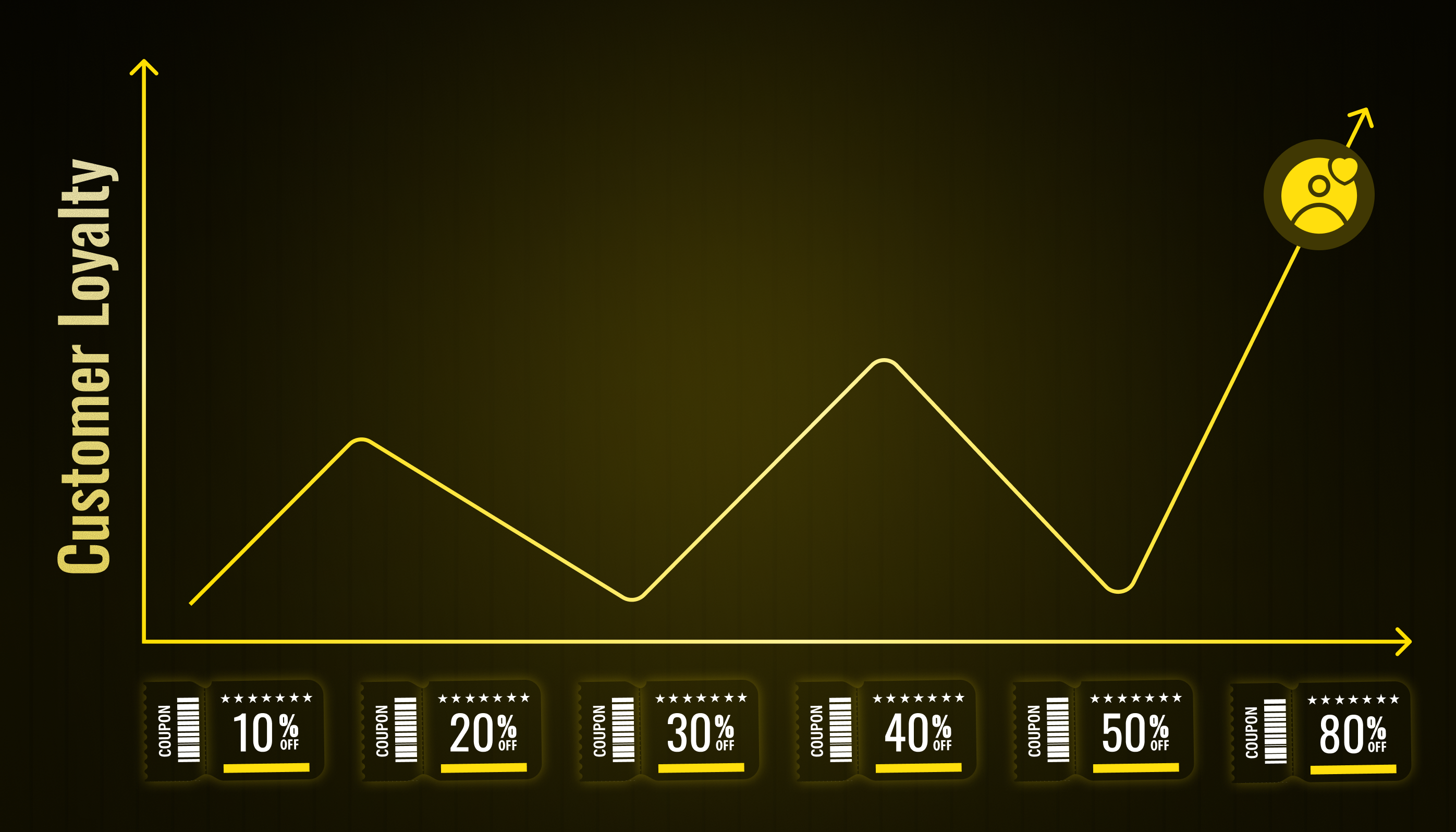
Customer loyalty is the tendency of a customer to keep buying from the same brand over time, even when alternatives exist.
It goes beyond a single purchase. A loyal customer chooses you repeatedly, spends more per order, and often refers to friends. In a subscription context, loyalty is what turns a first-time subscriber into a long-term one, reducing churn and growing your revenue without increasing ad spend.
Why Customer Loyalty Matters for Your Business
Loyalty is one of the most powerful growth levers available to Shopify and DTC brands and the numbers back it up.
Retention is cheaper than acquisition. Getting a new customer costs significantly more than keeping an existing one. Brands that prioritize retention consistently outperform competitors in long-term growth.
Loyal customers spend more. On average, loyal customers spend 67% more than casual buyers. They also buy more frequently and are more open to trying new products, which directly increases Customer Lifetime Value (LTV).
Small retention gains = big profit jumps. A 5% increase in customer retention can lead to profit growth of 25% to 95%. For subscription businesses, this effect is even stronger because recurring revenue compounds over time.
Loyalty also drives average order value (AOV). Rewarded customers tend to spend more per transaction, especially when loyalty perks are tied to purchase thresholds.
Real-World Example
A Shopify store selling specialty coffee runs a subscription box through a subscription model.
After 3 months, they notice high first-order cancellations. They add a points-based loyalty program: subscribers earn points on every renewal, which they can redeem for free bags or exclusive blends.
Result: subscribers who engage with the rewards program renew at a significantly higher rate. Their LTV increases, churn drops, and the customer portal becomes a destination, not just a cancellation page.
Types of Loyalty Programs
Not all loyalty programs work the same way. Here are the most common types used by Shopify and subscription brands:
1. Points-Based Programs
Customers earn points for every purchase (and sometimes for actions like reviews or referrals). Points can be redeemed for discounts, free products, or perks. This is the most widely used format, simple to understand and easy to scale.
2. Tiered (VIP) Programs
Customers unlock better rewards as they spend more. Tiers like Bronze, Silver, and Gold give buyers a goal to work toward. The higher the tier, the more exclusive the benefits — early access, free shipping, or dedicated support.
3. Paid Membership Programs
Customers pay a recurring fee (monthly or annual) to access premium perks. Think free shipping, exclusive discounts, or member-only products. This model works especially well when combined with a subscription model, since subscribers are already used to recurring billing.
4. Referral Programs
Loyal customers bring in new ones by sharing a unique link or code. Both the referrer and the new customer get a reward. This turns your best buyers into a low-cost acquisition channel.
5. Value-Based (Mission-Driven) Programs
Instead of discounts, customers earn contributions to a cause they care about—like planting a tree or donating to charity. This builds emotional loyalty and works well for brands with a strong identity.
How to Build Customer Loyalty for Subscriptions
Here are practical steps Shopify subscription brands can take right now:
1. Reward subscription renewals specifically. Don’t just reward first purchases. Give extra points or perks every time a subscriber renews. This directly reduces churn by making cancellation feel costly.
2. Make your customer portal a loyalty hub. Your portal is where subscribers manage their orders. Add a rewards dashboard there so customers can track points, redeem perks, and see their tier all in one place. Friction kills loyalty; convenience builds it.
3. Personalize rewards based on behavior. Segment your customers by purchase frequency, AOV, or subscription length. High-value subscribers deserve different perks than first-timers. Personalized offers increase retention rates by up to 10%.
4. Use milestone rewards to celebrate loyalty. Send a surprise reward on a customer’s 3rd, 6th, or 12th renewal. Birthday perks, anniversary discounts, or “subscriber of the month” bonuses create emotional connection, not just transactional value.
5. Make it easy to understand. Avoid complex point calculations. Customers should instantly know what they’ve earned and what they can get. Programs that are hard to understand get ignored.
6. Integrate loyalty with your subscription app. The best results come when your loyalty program and subscription management work together. When a subscriber can see their rewards, skip a delivery, or swap a product without leaving their portal, loyalty becomes effortless.
Common Mistakes to Avoid
Even well-intentioned loyalty programs fail. Here’s what to watch out for:
- Rewarding only first purchases. This attracts deal-hunters, not loyal customers. Focus rewards on repeat behavior and long-term engagement.
- Making redemption too complicated. If customers can’t figure out how to use their points, they won’t bother. Keep the UX simple and visible.
- Ignoring subscribers in your loyalty program. Many brands build loyalty programs for one-time buyers but forget their subscription customers—who are already your most loyal segment.
- Launching and forgetting. A loyalty program needs ongoing optimization. Track repeat purchase rate, LTV, and redemption rates regularly.
- Offering only discounts. Discounts train customers to wait for deals. Mix in experiential rewards, early access, and exclusive content to build real emotional loyalty.
Pro Tips
- Track loyalty members vs. non-members separately. The LTV gap between the two groups is your program’s ROI signal.
- Tie loyalty status to subscription tenure. The longer someone subscribes, the higher their tier — this directly rewards the behavior you want.
- Use win-back campaigns for lapsed members. If a loyal customer goes quiet, a personalized “we miss you” offer with bonus points can re-engage them before they churn.
- Combine loyalty with a referral loop. Loyal subscribers who refer friends have the highest LTV of any customer segment. Make referrals easy from the customer portal.
- Don’t underestimate the power of recognition. A simple “You’ve been a subscriber for 1 year, thank you” email builds more goodwill than most discounts.
Internal Resources
Explore related concepts to build a complete retention strategy:
- Churn : understand why customers leave and how to prevent it
- Customer Lifetime Value (LTV) : measure the true worth of each subscriber
- Retention : the strategies that keep customers coming back
- Average Order Value (AOV) : how loyalty programs increase spend per order
- Subscription Model : the business model where loyalty has the biggest impact
- Customer Portal : the interface where loyalty and subscription management meet
Build Loyalty Directly Into Your Subscriptions
If you’re running subscriptions on Shopify, loyalty shouldn’t be an afterthought, it should be built into the experience from day one.
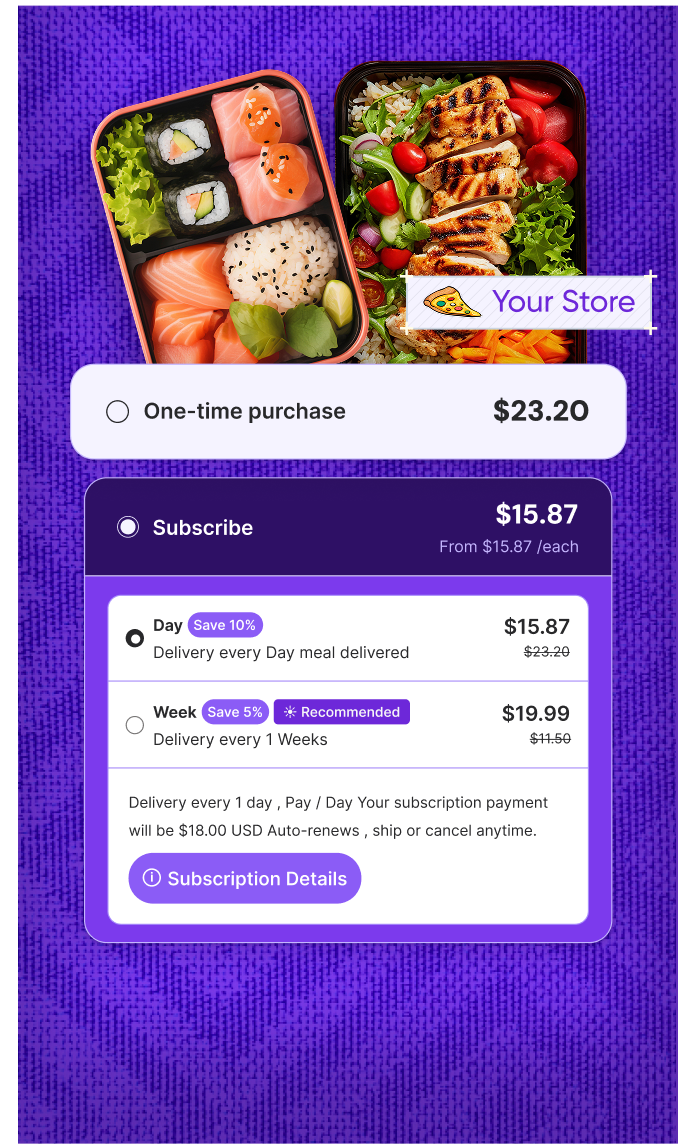
Easy Subscriptions helps Shopify merchants manage recurring orders with a clean, flexible customer portal where subscribers can easily manage their plans. When customers feel in control of their subscription, they’re far less likely to cancel, and far more likely to stay loyal.
Useful Sources
Venn Apps : 33 Customer Retention Statistics for eCommerce