 AI-powered, Human-reviewed.


What is a One-Time Purchase?
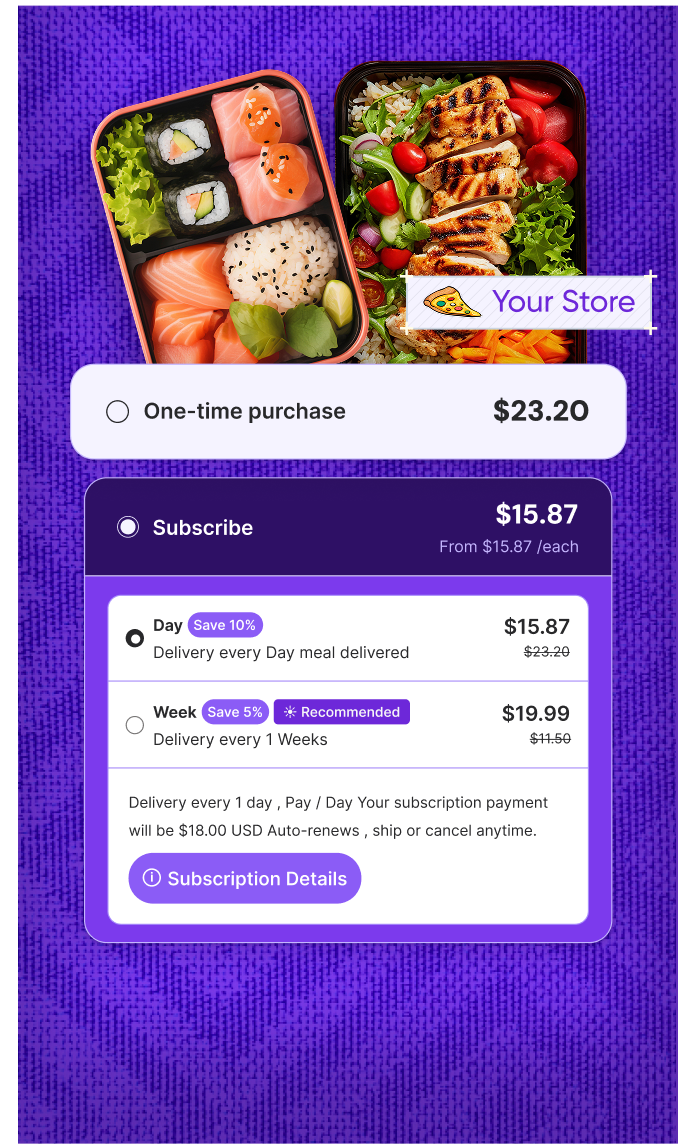
One-time purchases are the traditional ecommerce model: buy once, receive once, and decide later if you want to purchase again. In contrast to subscription models, there’s no automated reordering, billing cycle, or long-term commitment. Many Shopify merchants offer this alongside subscriptions to cater to different customer preferences.
This dual offering—subscription and one-time—helps lower the barrier to entry for first-time buyers who might hesitate to subscribe without trying the product. It also provides a way for merchants to showcase product quality before pitching long-term value.
Why Offering Both Models Increases Conversions
Including a one-time purchase option isn’t just about flexibility—it’s a strategy to win trust. When customers aren’t ready to commit, a one-time offer gives them a frictionless way to try the product. Once they’re satisfied, they’re far more likely to convert to a recurring subscription.
For merchants, it’s also an insight tool. Tracking how many one-time buyers convert into subscribers can help you evaluate product-market fit, the effectiveness of onboarding emails, or even the timing of upsell nudges. In a well-designed funnel, the one-time offer acts as a trial run for your subscription business.
Turning One-Time Buyers Into Lifelong Subscribers
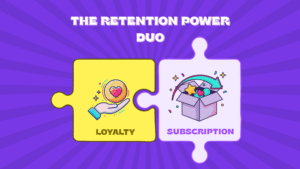
Instead of treating one-time purchases as transactional dead-ends, smart businesses use them as an entry point. Post-purchase follow-ups (“Enjoyed your product? Subscribe and save 20%”) or incentives like loyalty rewards for repeat purchases help migrate customers into the recurring revenue stream.
You can also use product bundling or “Build-a-Box” features to showcase value beyond a single product. The more your customer sees personalization and savings with a subscription, the more likely they are to transition.
Challenges in Balancing One-Time vs. Subscription Sales
One challenge is cannibalization—some customers may keep choosing one-time purchases if the value gap between that and the subscription isn’t clear. Solving this requires strong positioning: show real benefits to subscribing, like free shipping, exclusive products, or early access deals.
Another challenge is managing inventory and demand forecasting. Subscriptions give predictability, but one-time spikes can disrupt logistics. That’s where smart backend tools, like Easy Subscription’s analytics or fallback products, help keep fulfillment smooth across models