 AI-powered, Human-reviewed.


What is Dynamic Pricing?
Dynamic pricing is a strategy where businesses adjust product prices in real time based on market conditions, customer demand, or competitor pricing. Unlike fixed pricing, this approach ensures that prices remain competitive while maximizing profitability.
Retailers, eCommerce platforms, and subscription businesses use dynamic pricing to stay competitive in fluctuating markets. Airlines, ride-sharing apps, and online stores commonly implement this strategy to optimize revenue while responding to supply and demand changes.
How Does Dynamic Pricing Improve Profitability?
By adjusting prices strategically, businesses can increase revenue during peak demand periods and offer competitive discounts when demand is lower. This balance prevents lost sales due to overpricing while avoiding revenue loss from underpricing.
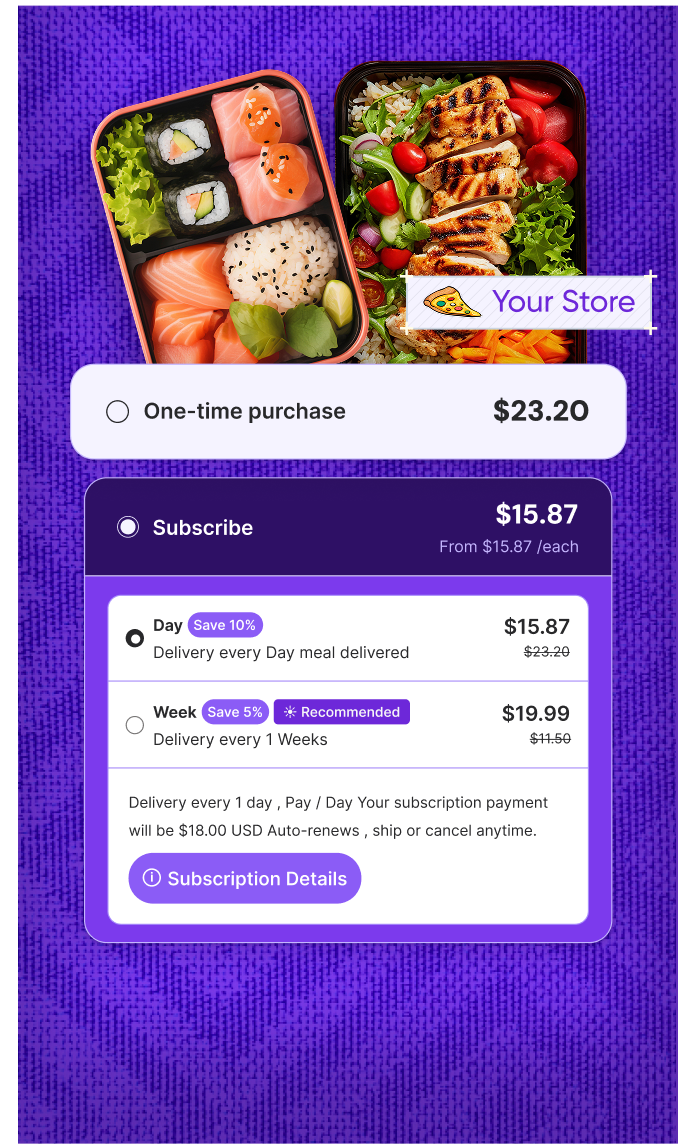
For subscription models, dynamic pricing can be used to provide exclusive savings or tiered discounts based on customer loyalty, purchase frequency, or seasonal demand. This flexibility not only improves conversion rates but also boosts customer retention by offering personalized pricing structures.
Why is Dynamic Pricing More Effective Than Fixed Pricing?
Fixed pricing doesn’t account for market fluctuations, which can lead to missed revenue opportunities. Dynamic pricing, however, allows businesses to remain competitive by automatically adjusting prices to match customer behavior and market trends.
With the help of analytics, businesses can track pricing performance, forecast demand, and make data-driven decisions to optimize revenue. Whether through AI-powered pricing models or manual adjustments, dynamic pricing ensures businesses remain adaptable and profitable in a constantly changing market