 AI-powered, Human-reviewed.


What Are Shipment Schedules in Subscriptions?
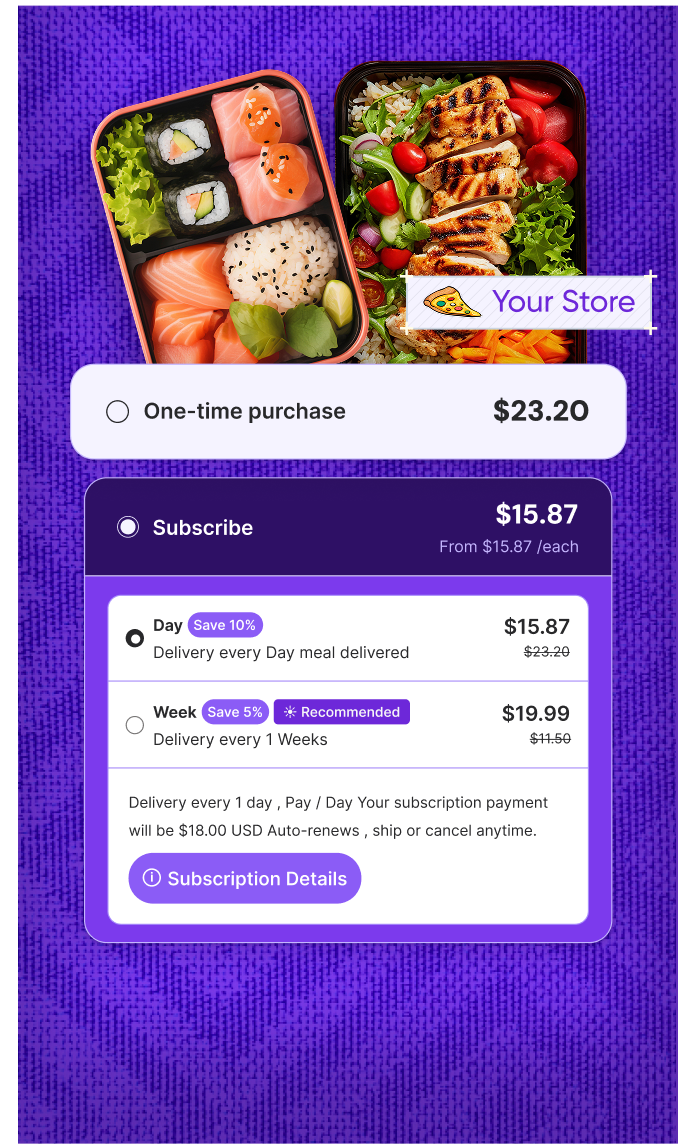
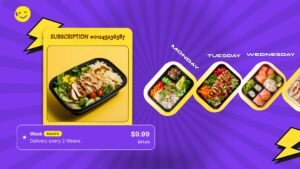
Shipment schedules define how often products are delivered to subscribers—weekly, monthly, bi-monthly, or any custom frequency that suits customer needs. They’re at the core of every subscription model, offering a predictable yet flexible delivery cadence that enhances the overall shopping experience.
When customers can tailor their shipment frequency to their lifestyle, they’re more likely to stay subscribed. A skincare buyer might need refills every 45 days, while a pet owner could prefer a 30-day cycle for food. Offering granular control over delivery frequency improves satisfaction and makes your subscription service feel personal and responsive.
Why Flexible Delivery Timing Builds Loyalty
Rigid delivery timelines can create friction, especially if customers receive products too early or too late. Offering adjustable shipment schedules helps you align with your customer’s usage cycle, avoiding the frustration of surplus inventory or running out of essentials.
By enabling subscribers to modify their delivery frequency at any time, you empower them with autonomy and convenience—two major drivers of retention. This flexibility doesn’t just prevent churn; it builds a sense of trust and reliability that reinforces brand loyalty over time.
Tools for Managing Dynamic Shipping Cadences
A strong subscription platform should give merchants the ability to offer dynamic shipping options—either predefined by the business or chosen by the customer. Shopify apps like Easy Subscription allow merchants to customize frequencies, set blackout dates, and give real-time control to end users via a customer portal.
This kind of operational flexibility improves backend efficiency as well. Smart scheduling, integrated with order fulfillment and inventory systems, ensures that shipments are sent accurately and on time. That’s how tailored delivery becomes a competitive advantage, not just a feature.