 AI-powered, Human-reviewed.


What is Ecommerce Personalization?
Ecommerce personalization is the process of creating a customized shopping journey for each customer. By analyzing past interactions, shopping habits, and preferences, businesses can show personalized product recommendations, targeted discounts, and dynamic pricing that match individual needs.
For example, an online store might suggest complementary products based on what a customer has added to their cart or offer exclusive savings on frequently purchased items. This approach not only enhances the shopping experience but also increases customer retention and boosts sales.
How Does Personalization Improve the Customer Experience?
Personalization makes online shopping more engaging by displaying content that is relevant to each user. Instead of a one-size-fits-all approach, customers see customized subscription boxes, tailored discounts, and loyalty rewards that align with their interests.
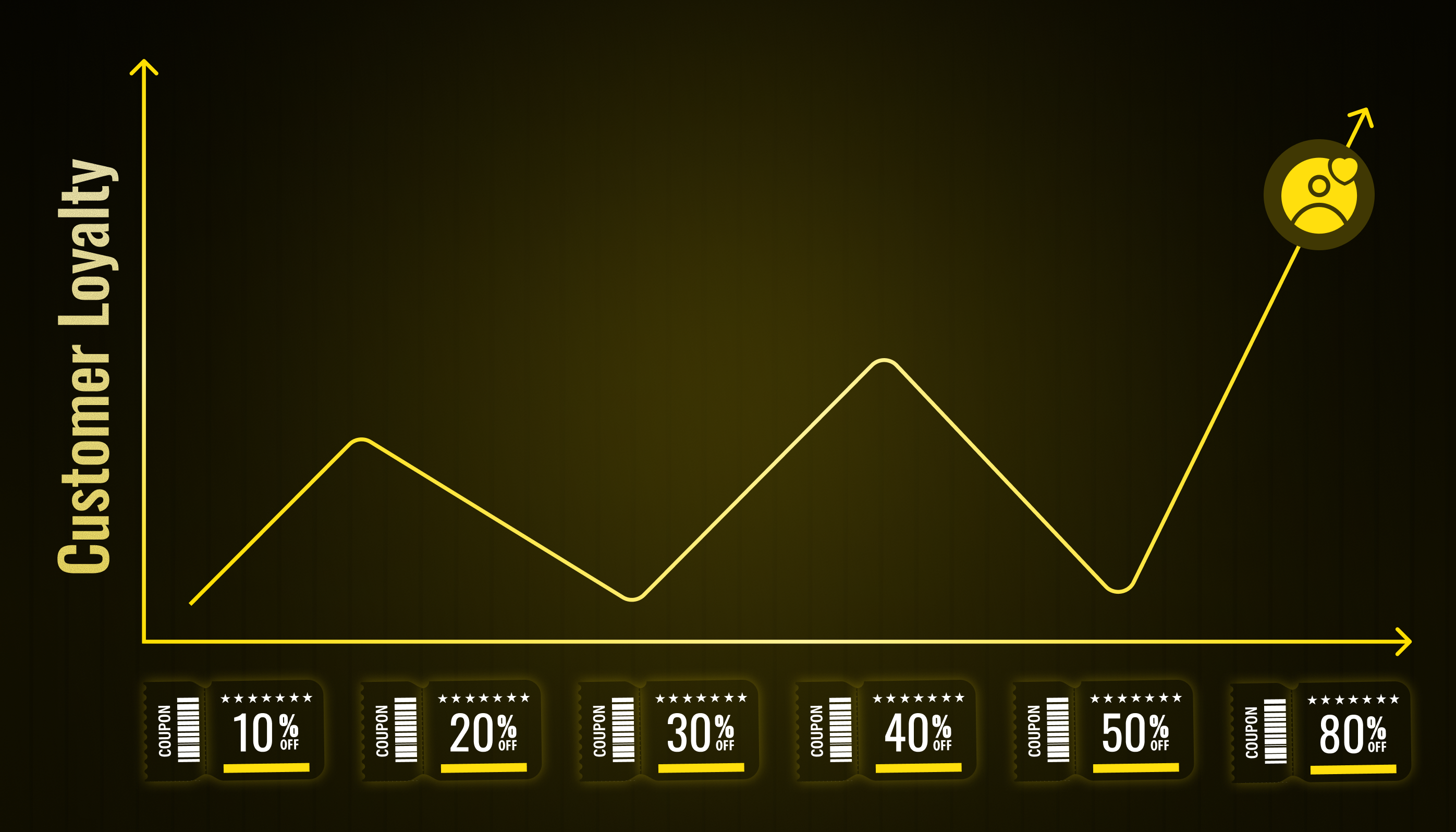
Additionally, AI-driven personalization can adjust product prices dynamically, ensuring that returning customers receive the best deals while maintaining business profitability. By implementing smart tiered discounts and personalized email marketing, ecommerce stores can drive repeat purchases and improve customer satisfaction.
How Ecommerce Personalization Enhances Post-Purchase Engagement
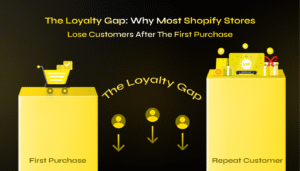
Ecommerce personalization doesn’t stop at checkout—it plays a crucial role in post-purchase interactions. By tailoring follow-up emails, recommending complementary products, or offering exclusive discounts for future purchases, businesses can keep customers engaged even after they’ve completed a transaction. These personalized touchpoints encourage repeat purchases and help maintain a long-term relationship between the brand and the customer.
Additionally, personalized post-purchase experiences, such as customized order tracking updates and proactive customer support, improve satisfaction. A shopper who receives timely updates about their shipment, product care tips, or exclusive membership perks is more likely to trust and return to the brand. This level of engagement ensures that customers feel valued beyond the initial purchase, strengthening loyalty and lifetime value