 AI-powered, Human-reviewed.


What Are Customer Details?
Names, email addresses, phone numbers, and shipping addresses are all examples of vital customer information. Businesses can use this data to expedite communication, facilitate transactions, and guarantee a seamless client purchasing experience.
Businesses gather behavioral data, such as surfing habits, product preferences, and order history, in addition to basic contact information. They’ll be able to better understand consumer behavior and adjust their marketing, sales, and customer care tactics as a result.
What Are the Advantages of Collecting Data from All Customers and Using It?
By collecting information from every consumer, companies can find patterns, anticipate consumer behavior, and improve their products. Better decision-making results from this data-driven strategy, which aids businesses in improving product suggestions, optimizing inventory, and developing targeted promotions.
Enhancing customer retention is another significant benefit. Businesses can provide individualized experiences, proactively address pain spots, and sustain consistent engagement by evaluating gathered data. This builds better customer relationships and increases lifetime value.
What Is the Best Way to Collect Customer Details?
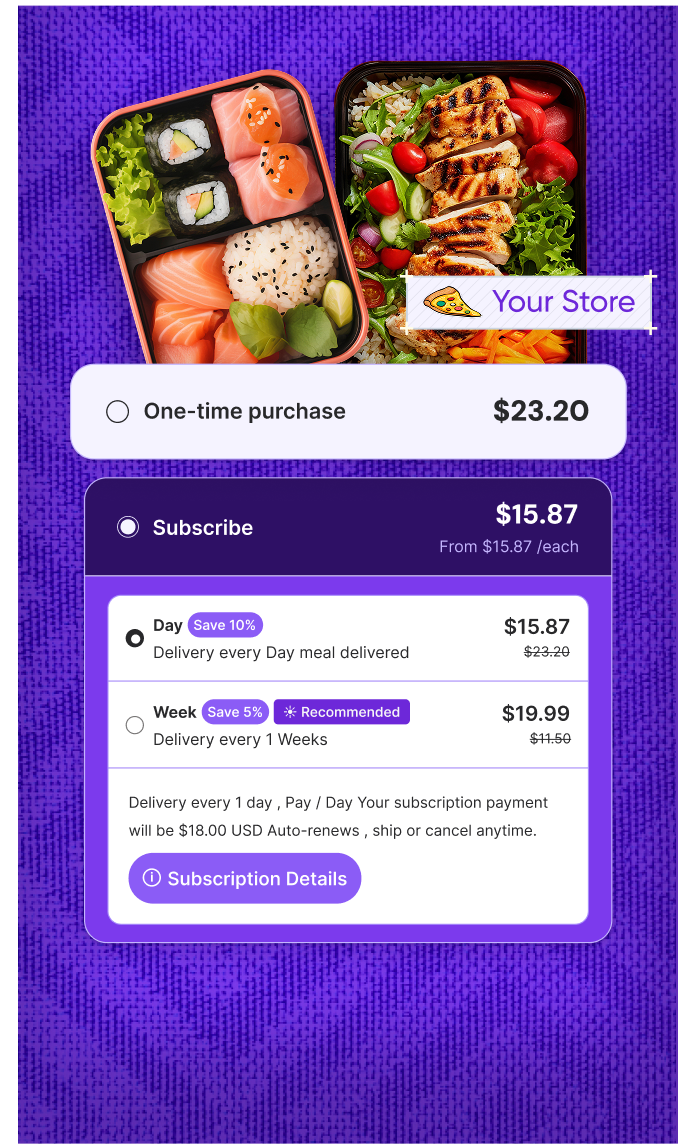
Combining transparent data policies with user-friendly digital touchpoints is the most efficient method of gathering client information. Sign-up forms, checkout pages, loyalty programs, and subscription sign-ups are all ways for businesses to collect important information while maintaining a seamless customer experience.
Providing something of value in return for data is another recommended strategy. Offering rewards like exclusive products, tailored suggestions, or discounts inspires clients to freely share their information, building engagement.